

 Inggeris
 简体中文
简体中文
Sebagai pembekal Pengapit Kabel Tembaga Jenis Rendah C, saya sering ditanya tentang kesesuaian produk ini dalam persekitaran suhu rendah. Catatan blog ini bertujuan untuk menyelidiki topik ini secara menyeluruh, memberikan anda cerapan saintifik dan pertimbangan praktikal.
Memahami Pengapit Kabel Tembaga Jenis C Rendah
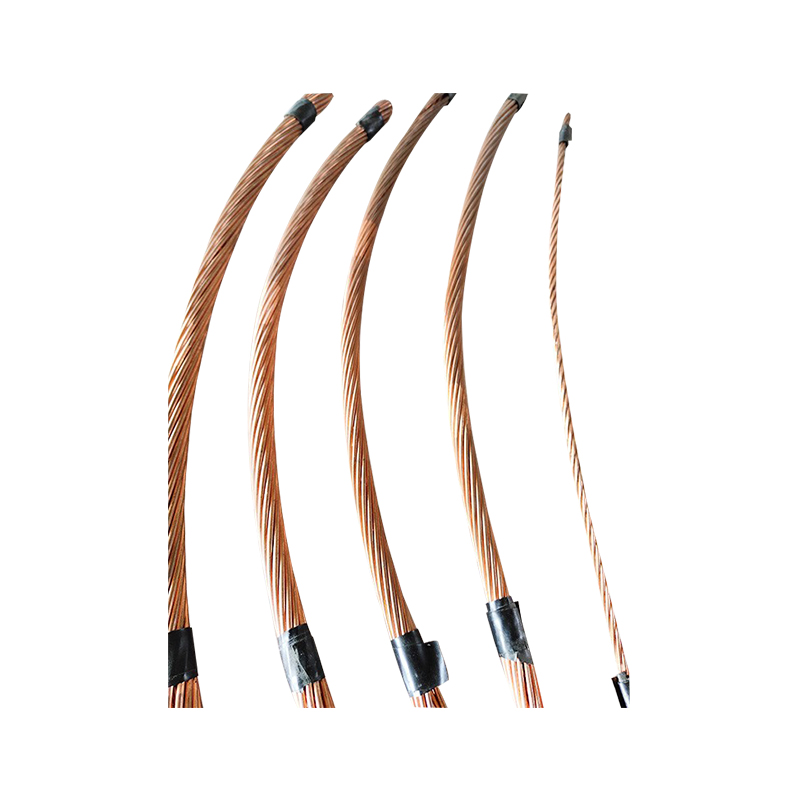
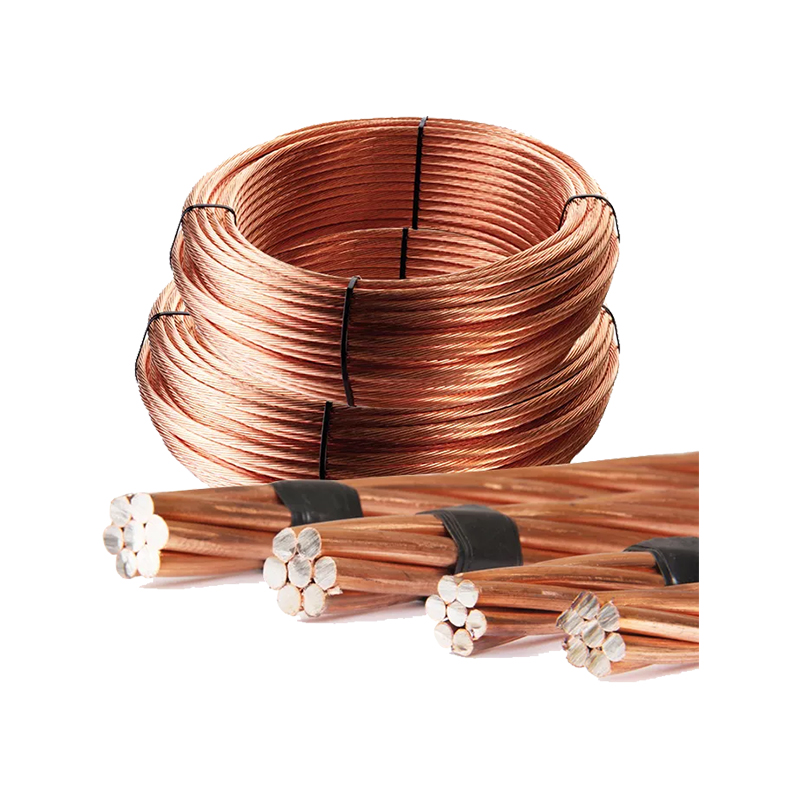
Rendah C Jenis Pengapit Kabel Tembaga terkenal dengan kekonduksian elektrik yang sangat baik dan kekuatan mekanikal. Diperbuat daripada tembaga berkualiti tinggi, ia direka untuk memegang kabel dengan selamat pada tempatnya, memastikan sambungan elektrik yang boleh dipercayai. Reka bentuk jenis C membolehkan pemasangan mudah dan cengkaman yang kukuh pada kabel, meminimumkan risiko sambungan longgar yang boleh mengakibatkan kegagalan elektrik.
Ciri-ciri Kuprum dalam Persekitaran Suhu Rendah
Tembaga adalah logam dengan sifat fizikal yang unik yang menjadikannya pilihan popular untuk aplikasi elektrik. Secara umum, kekonduksian elektrik kuprum sebenarnya bertambah baik sedikit apabila suhu menurun. Ini kerana, pada suhu yang lebih rendah, getaran haba atom kuprum berkurangan. Getaran ini boleh menghalang aliran elektron, jadi apabila ia berkurangan, elektron boleh bergerak dengan lebih bebas melalui kuprum, mengakibatkan rintangan elektrik yang lebih rendah.
Walau bagaimanapun, apabila ia berkaitan dengan sifat mekanikal, kuprum memang mengalami beberapa perubahan dalam persekitaran suhu rendah. Apabila suhu menurun, kuprum menjadi lebih rapuh. Kerapuhan ini boleh meningkatkan risiko keretakan atau pecah di bawah tekanan, terutamanya jika pengapit mengalami hentaman secara tiba-tiba atau lenturan yang berlebihan.
Kesan pada Pengapit Kabel Tembaga Jenis C Rendah dalam Persekitaran Suhu Rendah
Prestasi Elektrik
Dari segi prestasi elektrik, Pengapit Kabel Tembaga Jenis C Rendah boleh mengekalkan kekonduksian yang baik dalam persekitaran suhu rendah. Kekonduksian yang lebih baik disebabkan oleh suhu yang lebih rendah boleh menjadi kelebihan dalam sesetengah aplikasi yang meminimumkan kehilangan elektrik adalah penting. Contohnya, dalam sistem elektrik luar di kawasan sejuk, seperti di Artik atau kawasan altitud tinggi, kekonduksian pengapit kuprum yang dipertingkatkan sedikit boleh menyumbang kepada penghantaran kuasa yang lebih cekap.
Prestasi Mekanikal
Prestasi mekanikal pengapit lebih membimbangkan dalam tetapan suhu rendah. Peningkatan kerapuhan kuprum boleh menjadikan pengapit lebih terdedah kepada kerosakan semasa pemasangan atau operasi. Jika proses pemasangan melibatkan lenturan atau mengetatkan pengapit dengan daya yang berlebihan, terdapat risiko retakan yang lebih tinggi. Selain itu, dalam persekitaran di mana pengapit mungkin terdedah kepada getaran atau kejutan mekanikal, kuprum rapuh mungkin lebih berkemungkinan pecah.
Mengurangkan Risiko dalam Persekitaran Suhu Rendah
Untuk memastikan prestasi yang boleh dipercayai Pengapit Kabel Tembaga Jenis C Rendah dalam persekitaran suhu rendah, beberapa langkah boleh diambil.
Pemasangan yang Betul
Semasa pemasangan, adalah penting untuk mengikuti garis panduan pengilang dengan teliti. Elakkan menggunakan daya yang berlebihan semasa mengetatkan pengapit, kerana ini boleh menyebabkan tekanan pada kuprum rapuh. Menggunakan alat dan teknik yang sesuai boleh membantu mengelakkan kerosakan. Contohnya, menggunakan sepana terkawal tork boleh memastikan pengapit diketatkan mengikut spesifikasi yang betul tanpa menekankan bahan secara berlebihan.
Penebat dan Perlindungan
Menyediakan penebat dan perlindungan yang mencukupi untuk pengapit juga boleh membantu mengurangkan kesan suhu rendah. Bahan penebat boleh membantu mengekalkan suhu yang lebih stabil di sekeliling pengapit, mengurangkan risiko kerapuhan akibat sejuk yang melampau. Selain itu, penutup pelindung boleh melindungi pengapit daripada kesan fizikal dan faktor persekitaran seperti salji dan ais.
Pemilihan Bahan dan Penambahbaikan Reka Bentuk
Sesetengah pengeluar mungkin mempertimbangkan untuk menggunakan aloi tembaga atau menambah baik reka bentuk pengapit untuk meningkatkan prestasi mereka dalam persekitaran suhu rendah. Aloi kuprum boleh mempunyai sifat mekanikal yang berbeza berbanding dengan kuprum tulen, berpotensi mengurangkan kerapuhan pada suhu rendah. Penambahbaikan reka bentuk, seperti menambah ciri tetulang atau mengoptimumkan bentuk pengapit, juga boleh meningkatkan ketahanannya terhadap tekanan mekanikal.
Membandingkan dengan Produk Lain
Apabila mempertimbangkan pengapit kabel untuk persekitaran suhu rendah, adalah wajar membandingkan Pengapit Kabel Tembaga Jenis C Rendah dengan produk lain di pasaran. Contohnya, Pengapit Batang Bumi Jenis Brass U ialah pilihan lain. Loyang mempunyai sifat yang berbeza berbanding dengan tembaga. Walaupun loyang juga merupakan pengalir yang baik, kekonduksian elektriknya secara amnya lebih rendah daripada tembaga. Walau bagaimanapun, loyang mungkin mempunyai rintangan kakisan yang lebih baik dalam sesetengah persekitaran dan mungkin kurang rapuh pada suhu rendah dalam komposisi tertentu.
Produk lain ialah Pengapit Kabel Tembaga Jenis CCT C. Pengapit ini adalah serupa dalam reka bentuk tetapi mungkin mempunyai ciri khusus atau kualiti bahan yang menjadikannya lebih sesuai untuk aplikasi yang berbeza. Memahami perbezaan antara produk ini boleh membantu anda membuat keputusan termaklum berdasarkan keperluan khusus anda.
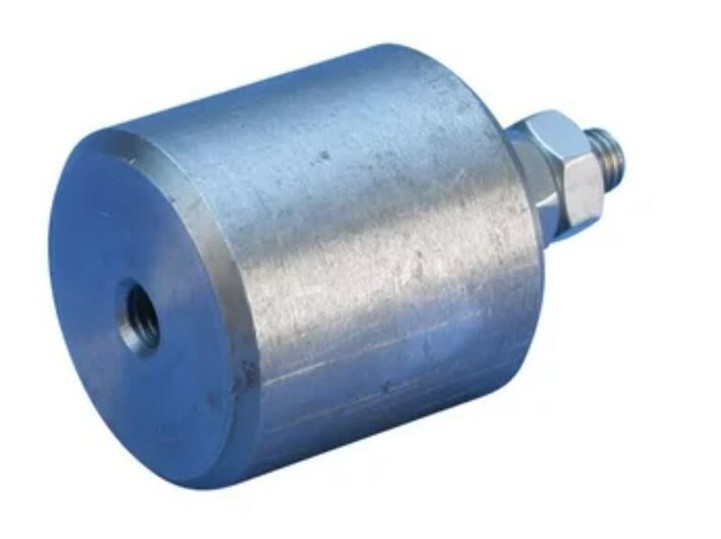
Projek Pengedar Earth Boss Untuk Pembumian juga merupakan produk yang berkaitan dalam sistem pembumian. Ia mempunyai tujuan yang berbeza berbanding dengan pengapit kabel tetapi sering digunakan bersama-sama dengan mereka. Apabila merancang projek pembumian dalam persekitaran suhu rendah, mempertimbangkan keserasian dan prestasi semua komponen, termasuk pengapit kabel, adalah penting.
Kesimpulan
Kesimpulannya, Pengapit Kabel Tembaga Jenis C Rendah boleh sesuai untuk persekitaran suhu rendah, tetapi pertimbangan yang teliti dan langkah berjaga-jaga yang sewajarnya diperlukan. Prestasi elektrik mereka boleh memberi kelebihan kerana kekonduksian yang lebih baik pada suhu yang lebih rendah. Walau bagaimanapun, peningkatan kerapuhan kuprum pada suhu rendah menimbulkan risiko kepada integriti mekanikalnya. Dengan mengikuti prosedur pemasangan yang betul, menyediakan penebat dan perlindungan, dan mempertimbangkan bahan dan penambahbaikan reka bentuk, kebolehpercayaan pengapit ini dalam tetapan suhu rendah boleh dipertingkatkan dengan ketara.
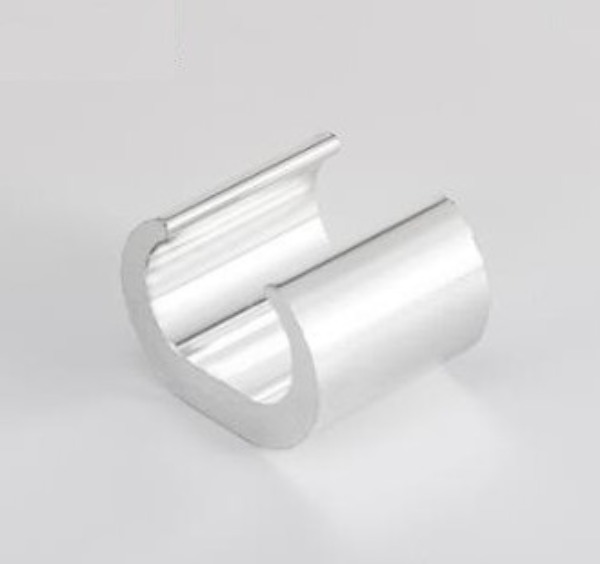
Jika anda berminat dengan Pengapit Kabel Tembaga Jenis C Rendah kami atau mempunyai sebarang pertanyaan mengenai kesesuaian mereka untuk aplikasi suhu rendah khusus anda, kami menggalakkan anda menghubungi kami untuk perbincangan lanjut. Pasukan pakar kami sedia membantu anda dalam membuat pilihan yang tepat untuk projek elektrik dan pembumian anda.
Rujukan
- "Kekonduksian Elektrik Logam pada Suhu Rendah" - Jurnal Fizik Gunaan
- "Sifat Mekanikal Aloi Tembaga dalam Persekitaran Sejuk" - Transaksi Metalurgi dan Bahan A
- Garis panduan pengilang untuk Pengapit Kabel Tembaga Jenis C Rendah
 Tentang kita
 +86-15167536268
 29, Xingmei Avenue, Xinchang, Zhejiang, China